
Any nonprofit team that has applied for a grant is well aware of the amount of time, research, and effort required to secure this valuable source of funding. While the process for securing grants can be intensive, adding this new revenue source to your funding model can set your organization up for growth and improve its financial resilience.
After securing a grant, your work is far from done. Properly recording grants, managing the allocated funds, and reporting back to the grantor is essential for ensuring compliance and opening the door for additional future funding.
To help your nonprofit make better use of its grant funding, this guide will explore three best practices for effective grant management.
1. Establish a grant management lifecycle.
Successfully applying, using, and reporting on a grant sets your nonprofit up to earn additional grants. When grantmakers trust your organization to manage grant funds responsibly, they’ll be more inclined to provide funding, which creates a snowball effect.
To keep this process moving, your nonprofit should create a standardized grant lifecycle. Jitasa’s guide to grant management organizes this process into five parts:
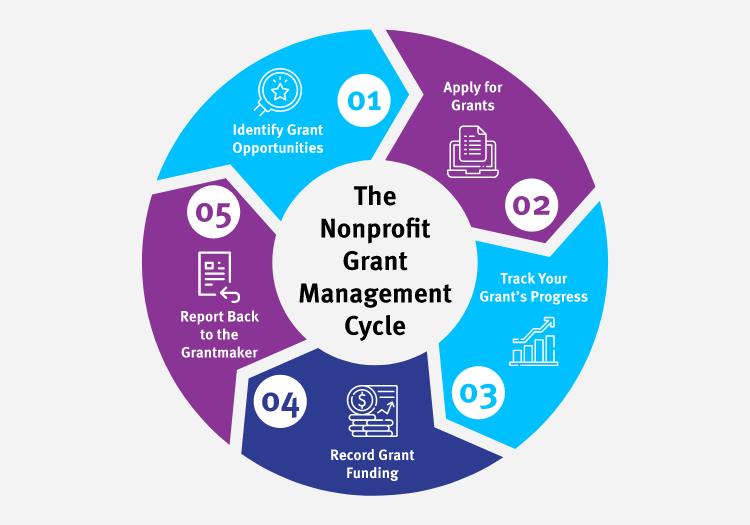
- Identify grant opportunities. Finding the right opportunities is essential for long-term grant success. Research potential grants that fit your nonprofit’s mission, size, location, and funding goals. To make this process easier, Double the Donation recommends using several top grant research tools, including Candid, GrantStation, and Instrumentl.
- Apply for grants. Once you’ve found opportunities that fit your nonprofit, it’s time to start the application process. Grant applications typically involve formally reaching out to introduce your nonprofit to the grantmaker, compiling any necessary forms (e.g., recent Form 990 filings or financial statements), and drafting a grant proposal that clearly explains how your organization would use the funding.
- Track your grant’s progress. Receiving a grant is cause for celebration and moves you into the post-award phases of the process. Carefully record how you use the awarded grant funding, following any guidelines the grantmaker has set out. You should also track progress on the initiative the grant is funding, since many grantmakers want to know how their money is tangibly furthering your mission.
- Record grant funding. In addition to reports for the grantmaker, record the awarded funding in your nonprofit’s own internal records. Make note of what type of grant you received so you can properly allocate it in your budget (more on this later!).
- Report back to the grantmaker. Many grantmakers will request routine progress reports or require documentation about how the grant was used by a certain deadline. Treat this not only as a necessary stipulation for funding but as a relationship-building opportunity. For example, if you receive an unconditional grant where reporting is not required, you might still give the grantmaker an update and thank them for their support to improve your relationship with them.
Particularly if your nonprofit pursues multiple grants at once, designate or hire a grant manager to keep your program on track. This position involves keeping an eye on the entire grant lifecycle to ensure your nonprofit is routinely finding new grant opportunities, meeting application deadlines, and maintaining relationships with grantmakers.
2. Record grants accurately.
Grants often provide multi-year funding, giving your nonprofit reliable revenue to run its programs long-term. To manage this revenue effectively and ensure no funds are misallocated, you must report your grants accurately in your internal accounting system.
Most grants fall into one of three categories, depending on grantmakers’ spending stipulations:
- Unconditional grants provide their funding up front with no reporting requirements. When adding an unconditional grant to your revenue model, you can allocate and record the entire amount as soon as you receive the award letter.
- Grants with contingencies have certain stipulations your nonprofit must meet to receive funding, such as a program meeting certain metrics. As long as you continue to comply with these stipulations, the funding will come in installments, which you’ll record and budget as they come in.
- Reimbursable grants involve the grantmaker reimbursing your nonprofit’s spending on a specific program or initiative. When receiving this type of grant, keep itemized records of all related expenses that you can share with the grantmaker to receive funding.
When receiving a grant, make note of which type it is when adding it to your financial records. This prevents budgeting mistakes, such as allocating the entire amount for a grant that is paid out in installments.
3. Conduct regular internal audits.
When a grantmaker checks in with your nonprofit about how you have used their funding, the process should be smooth and professional. Even if there are complications with the program being funded, you should still have accurate, thorough records to provide the grantmaker.
By regularly auditing your finances and ensuring compliance with grantmaker requirements, your nonprofit will remain financially responsible and build trust with valuable funders.
Your grant compliance audit might involve:
- Assessing relevant program outcomes. Track all outcomes from programs affected by grants, noting changes that can likely be attributed to increased grant funding. If a program encounters a setback or has poor outcomes, be honest about it, explain what happened to the grantmaker, and present a plan to improve the situation moving forward.
- Maintaining itemized spending records. Most grants provide restricted funding, meaning your nonprofit should keep records demonstrating that all grant revenue is being allocated correctly. This can also help you maintain better data hygiene within your accounting system.
- Completing grant-specific audit reports. While some grantmakers may be satisfied with seeing copies of your nonprofit’s tax returns or financial statements, others will request that your organization conduct a financial audit. If this is the case, make special note of it in your financial records and communicate it with your accountant so you can perform the audit and prepare a report well in advance of any deadlines.
Proactively auditing your grant spending for compliance is also useful for your internal financial management. You can catch any mistakes before they cause problems, ensure spending milestones are on track, and better plan your nonprofit’s budget moving forward. For example, you may have assumed that a $10,000 grant was enough to cover a program’s annual expenses, but later realize that you’ll need additional funds to close out the year, allowing you to shift your fundraising priorities.
Grant management is a complex, time-consuming process, but the funding you receive once you secure a grant will be well worth the effort. With the right management tools and accounting practices, you can keep your funding organized, build trust with grantmakers, and set your nonprofit up to continually earn valuable funding.